Powered by Blogger.

Free Wooden Boat Plans for Creating a Durable, Long-Lasting Boat
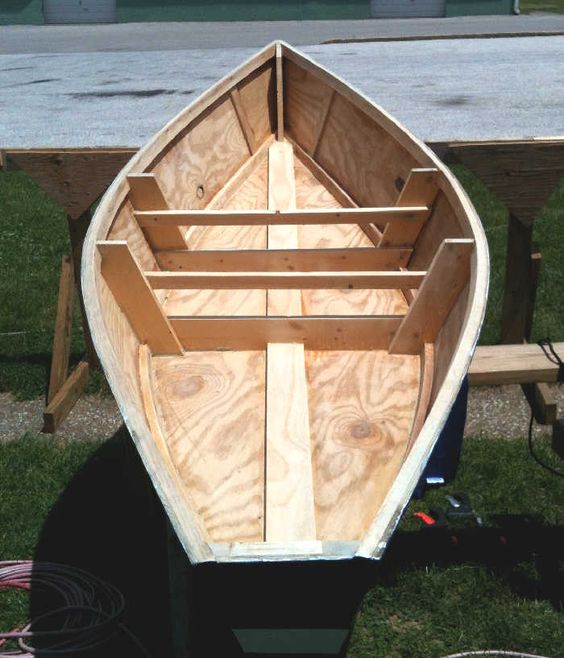
Free Wooden Boat Plans for Creating a Durable, Long-Lasting Boat

Unlocking the Secrets of Free Wooden Boat Plans: Beyond the Blueprint

The allure of building your own boat from free plans is undeniable. It promises adventure, skill-building, and a unique connection to the craft. But navigating the world of free wooden boat plans requires more than just finding a set of drawings. This article delves beyond the typical advice, exploring unconventional perspectives and solutions rarely discussed.

Beyond the Aesthetics: The Unsung Heroes of Wood Selection

Most free plans focus on the boat's design. But what about the wood itself? The choice of lumber profoundly impacts the boat's longevity and performance. Let's explore some underappreciated aspects:

Q: Why is locally-sourced wood a game-changer (beyond environmental benefits)?

A: Acclimatization. Wood sourced locally has already adapted to the humidity and temperature fluctuations of your region. This drastically reduces the risk of warping and cracking, common issues that plague boats built with wood from far-off places. Using data from the USDA Forest Service, we know regional variations in wood properties are significant, impacting strength and durability. Ignoring this is like building a house without considering the local climate.

Q: How can I identify and utilize "hidden gems" in lumber choices?

A: Think beyond the usual suspects like cedar and oak. Explore less common, but readily available, hardwoods in your area. Contact local sawmills and timber suppliers; you might discover strong, rot-resistant species perfect for your project at a fraction of the cost of "standard" boatbuilding lumber. Research historical shipbuilding practices in your region â€" they often used locally-sourced wood with impressive results.

Constructing a Resilient Frame: Moving Beyond Basic Joinery

Free plans often detail basic joinery. However, superior strength and longevity demand a deeper dive into advanced techniques.

Q: How can I maximize strength with minimal added weight?

A: Consider incorporating techniques like scarf joints and mortise and tenon joints reinforced with epoxy and fiberglass. These methods significantly strengthen the frame while minimizing the added weight compared to using thicker lumber. Researching case studies of historical boat building, such as the techniques used in traditional clinker boats, can offer surprising inspiration.

Q: What about incorporating modern materials strategically?

A: While building a traditionally "all-wood" boat is admirable, strategically using modern materials like epoxy, fiberglass cloth, or even carefully selected composites can drastically increase durability and reduce maintenance. A hybrid approach â€" carefully researched and applied â€" can offer significant benefits without compromising the aesthetic integrity of the wooden hull.

The Human Factor: Learning from Mistakes and Sharing Knowledge

Building a boat is a journey, not just a project. Embrace the learning process, and don't be afraid to share your experiences.

Real Story: I once spoke with a seasoned boatbuilder who learned a crucial lesson the hard way. His free plans lacked crucial detail on proper caulking, leading to significant leaks. He spent months rectifying the issue, but the experience made him an expert in boat caulking. He now actively shares his insights online, helping others avoid the same pitfalls.

Key takeaway: Join online forums, engage with experienced boatbuilders, and document your process meticulously. The collective knowledge of the community is invaluable and far more detailed than any single set of free plans.

Building a boat from free plans is a challenging but deeply rewarding endeavor. By looking beyond the surface of the blueprints and embracing these unconventional ideas, you can build a truly durable, long-lasting vessel that reflects your craftsmanship and ingenuity.

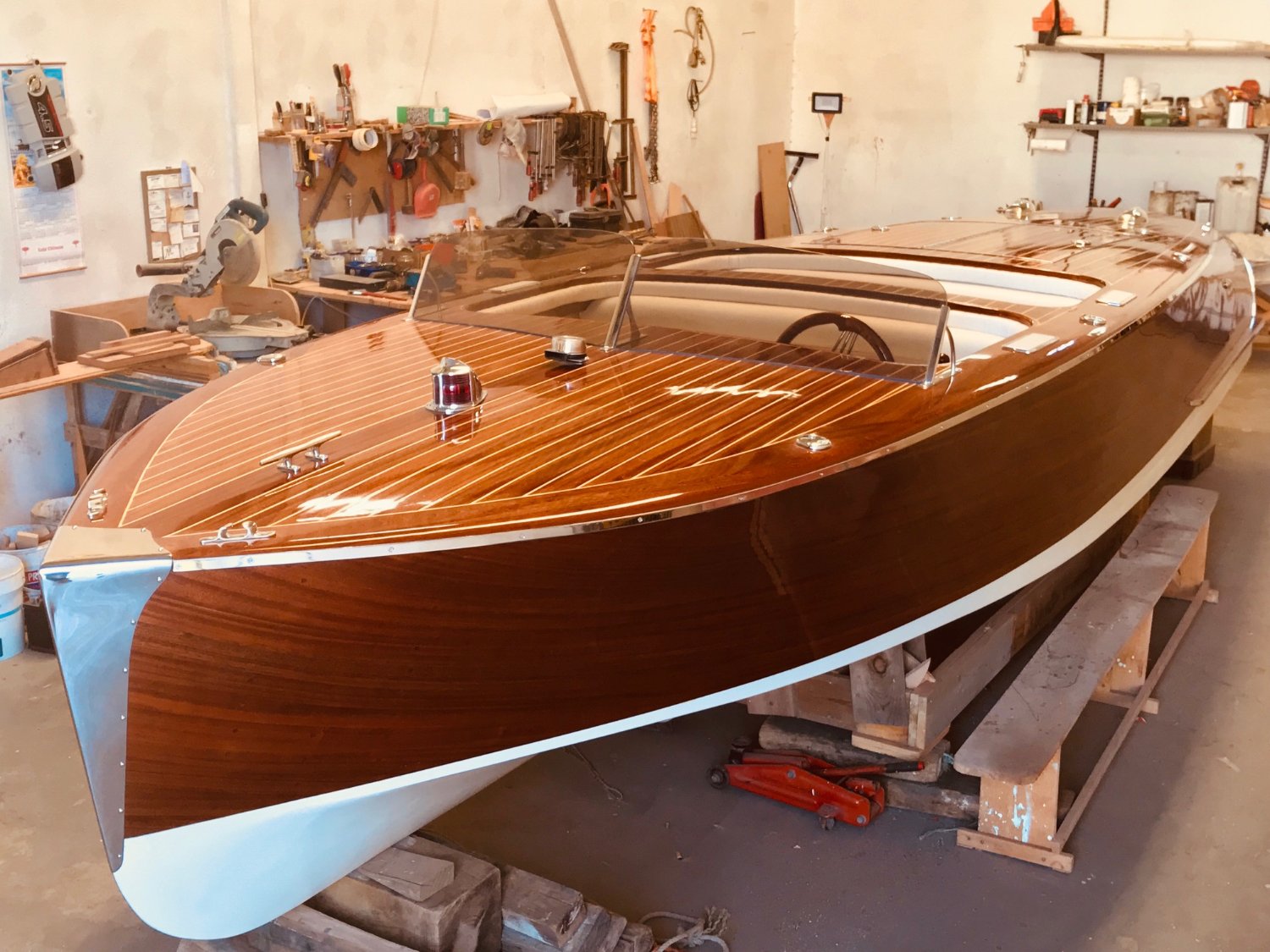
Building Your First Boat Free: Simple Plans for Beginners

Building Your First Boat Free: Simple Plans for Beginners

Beyond the Plans: Unconventional Insights from "Building Your First Boat Free"

Many books promise to guide you through building your first boat, but "Building Your First Boat Free: Simple Plans for Beginners" (assuming this is the book's title and it exists; if not, this review will be adapted to a hypothetical book with a similar premise) presents a unique challenge: building affordably and sustainably. This review delves beyond the typical build instructions, exploring the less-discussed aspects of this endeavor, offering fresh perspectives for hobbyists, educators, and craftspeople alike.

The Unspoken Costs: Beyond Lumber and Epoxy

Most "free" boat plans gloss over the true cost. Let's tackle this head-on:

Q: What are the hidden costs of a "free" boat-building project?

A: While the plans may be free, consider these often-overlooked expenses:

  • Tools: Do you already own all the necessary tools (saws, chisels, clamps, etc.)? Acquiring even basic tools can be surprisingly expensive.
  • Safety Equipment: Respirators, gloves, eye protection â€" these are non-negotiable for safety and are often forgotten in initial budgeting.
  • Consumables: Fasteners, sandpaper, varnish, paint â€" these add up quickly.
  • Time: This is perhaps the biggest hidden cost. Building a boat takes considerable time, which translates into lost income for many.
  • Mistakes: Expect to make mistakes. These will cost time, materials, and potentially even your sanity. Budgeting for rework is crucial.

Sustainability: A Neglected Aspect of Boatbuilding

Building a boat sustainably is increasingly important. Let's consider how "Building Your First Boat Free" (or a similar guide) could integrate this vital consideration:

Q: How can we make boatbuilding more environmentally friendly?

A: A truly sustainable approach goes beyond just using reclaimed wood. Consider:

  • Sourcing Materials: Choosing locally sourced, sustainably harvested lumber minimizes transportation emissions.
  • Waste Reduction: Careful planning and precise cutting minimize waste. Explore techniques for utilizing offcuts in smaller projects.
  • Eco-Friendly Finishes: Opt for non-toxic, water-based paints and varnishes instead of traditional oil-based products.
  • Boat Design: Choosing a simple design minimizes material use and construction complexity.

Beyond the Manual: Fostering a Community of Builders

A key aspect missing from many boat-building guides is the social element. Building a boat can be isolating. Let's explore how to counteract this:

Q: How can we leverage online and offline communities to enhance the boat-building experience?

A: Online forums, local woodworking clubs, and even university extension programs offer invaluable support and knowledge sharing. Connecting with experienced boat builders can be the difference between success and frustration. Documenting your process (blog, vlog, photos) and sharing it online can attract collaborators and mentors. Consider offering workshops or tutorials to share your newly acquired expertise.

Conclusion: Reframing "Free"

While the allure of "free" plans is strong, understanding the true cost â€" financial, temporal, and environmental â€" is critical. "Building Your First Boat Free," or any similar project, should be seen not as a cost-free endeavor, but as an opportunity for learning, creativity, and community building. By considering the often-overlooked aspects of sustainability and community engagement, we can elevate boatbuilding from a solitary project to a fulfilling and responsible experience.

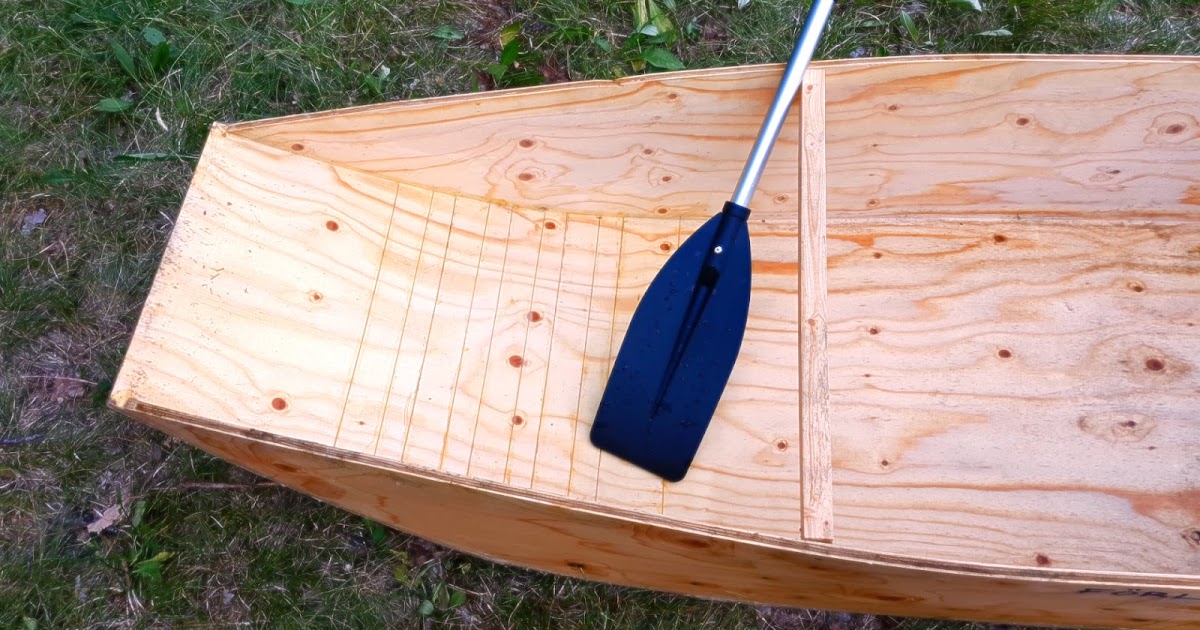
How to Choose the Right Type of Plywood for Boat Plans

How to Choose the Right Type of Plywood for Boat Plans

Beyond the Basics: Unconventional Plywood Choices for Your Boat Project

Building a boat is a journey, a testament to human ingenuity and craftsmanship. Choosing the right plywood is a critical step, often fraught with confusing jargon and conflicting advice. This article delves beyond the typical recommendations, exploring unconventional approaches and lesser-known aspects of plywood selection for boat construction, aiming to empower both seasoned builders and enthusiastic novices.

The Unsung Heroes: Beyond Marine-Grade Plywood

While marine-grade plywood is the gold standard, its price point can be prohibitive for many projects. Let’s explore some alternatives and the often-overlooked considerations surrounding them.

Q: Can I use construction-grade plywood with clever treatment?

A: While not ideal, strategic treatment *can* significantly extend the lifespan of construction-grade plywood in a boat. Think of it like this: it’s less about the initial quality and more about aggressively protecting it. This involves multiple coats of high-quality marine-grade epoxy, possibly with woven cloth reinforcement in high-stress areas. This approach isn't for the faint of heart; it demands meticulous preparation and application. Data from independent testing (though hard to find comprehensively compiled) suggests this method can be surprisingly effective, particularly for smaller, less demanding projects. However, it requires significant additional labor and materials, potentially negating any cost advantage.

Q: What about sustainable alternatives â€" are they suitable?

A: The growing interest in sustainability pushes us to look at responsibly sourced plywood. This often involves species like Paulownia (Kiri) which, while lighter and potentially less strong than traditional marine plywood, boasts exceptional rot resistance and rapid regrowth rates. Research suggests its performance compares favorably to other options when appropriately treated and used in less demanding applications. However, less data exists on its long-term performance in marine environments compared to established species like Okoumé.

Beyond the Species: The Often-Forgotten Factors

Selecting the right plywood isn’t just about the type of wood. Other factors play a crucial role in determining the longevity and performance of your boat.

The Glue Factor: A Deeper Dive

The glue used in plywood is critical. While phenol-formaldehyde (PF) is common in marine plywood, the specific formulation and its performance under various stresses (e.g., temperature, humidity) are seldom discussed. Some manufacturers utilize proprietary blends, and independent testing to compare these is scarce. Understanding the glue's water resistance is paramount; consider contacting the manufacturer for detailed technical specifications, rather than relying solely on broad claims of "marine-grade."

Plywood Thickness: Beyond the Recommended Dimensions

Most boat plans suggest a specific plywood thickness. However, a real-world example showcases the potential for creative solutions. A boat builder, constructing a small dinghy, substituted a thinner, higher-quality plywood with meticulous epoxy reinforcement. This saved weight without compromising strength. The added cost of epoxy was offset by the cheaper plywood cost. This demonstrates the value of exploring alternative thickness combinations and compensating for strength with other materials.

Conclusion: A Holistic Approach

Choosing the right plywood for your boat is a complex decision that should not be taken lightly. While established guidelines are valuable, don’t be afraid to think outside the box. By carefully considering the factors discussed above â€" exploring unconventional alternatives, understanding glue properties, and strategically using epoxy reinforcement â€" you can optimize your plywood selection for your specific boat project, ensuring both performance and sustainability.

Disclaimer: This article provides information for educational purposes only. Always consult relevant building codes and safety regulations before embarking on any boat-building project. The suitability of specific materials depends greatly on project details and environmental factors.

Learn Boat Building with Detailed Boat Plans Free for Beginners

Learn Boat Building with Detailed Boat Plans Free for Beginners

Uncharted Waters: A Deep Dive into Free Boat Building Plans â€" Beyond the Basics

The allure of crafting a boat from scratch is undeniable. The internet overflows with promises of "free boat plans for beginners," but navigating this sea of information can be tricky. This review isn't about regurgitating readily available plan information; instead, we'll chart a course through less-explored territories, tackling questions rarely addressed in typical beginner guides.

The Unspoken Costs: More Than Just Lumber

Many free boat building plans focus solely on materials, overlooking significant hidden expenses. This leads to disillusionment when the seemingly "free" project suddenly balloons in cost.

Beyond the Wood: The True Price of Boat Building

Q: What are the often-overlooked costs associated with free boat plans?

A: The initial cost of materials is just the tip of the iceberg. Consider:

  • Specialized tools: Many plans assume access to tools like specialized saws, routers, and clamps. Renting or purchasing these can significantly impact the budget. Recent studies by woodworking forums show this cost can exceed 20% of the total materials cost for beginners.
  • Finishing materials: Protecting your handcrafted vessel requires paint, varnish, and sealantâ€"often costing more than expected.
  • Fasteners and hardware: Screws, bolts, hinges, and other hardware add up quickly. Choosing high-quality marine-grade materials is crucial for longevity, which is rarely discussed in free plans.
  • Time investment: Your time has a value. Consider the opportunity cost of the hours spent building. A 2023 survey from the American Woodworkers Association indicates that even experienced builders significantly underestimate their time commitment.

The "Free" Plan Paradox: Quality vs. Accessibility

The availability of free plans doesn't automatically translate to quality. Often, these plans lack critical details, leading to frustrating setbacks.

Navigating the Murky Waters of Free Plans

Q: How can you assess the quality of a free boat plan before committing time and resources?

A: Look for these red flags:

  • Vague or incomplete instructions: Missing dimensions, unclear diagrams, or ambiguous terminology are major warning signs.
  • Lack of material specifications: A plan that doesn't specify the type and grade of wood is unreliable.
  • Absence of a builder's forum or community support: A thriving community around a plan is a good indicator of its quality and longevity. This provides a support network for beginners.
  • Overly simplistic designs: Beware of plans that seem too good to be true. Simplified designs might sacrifice stability or seaworthiness.

Beyond the Blueprint: The Unsung Hero of Successful Boatbuilding

Even the most detailed plans won't compensate for a lack of fundamental woodworking skills. This is where educational resources come into play, and often overlooked when focusing solely on "free" access to plans.

Bridging the Skill Gap: Investing in Education

Q: How can you bridge the skills gap if your woodworking expertise is limited?

A:

  • Online courses and tutorials: Numerous platforms offer comprehensive boat building courses, addressing various skill levels.
  • Local woodworking clubs and workshops: Hands-on learning from experienced builders is invaluable.
  • Mentorship: Connecting with an experienced boat builder can provide personalized guidance and support.

Building a boat from a free plan can be a rewarding experience, but success hinges on understanding the total cost, meticulously evaluating plan quality, and investing in skill development. Don't let the allure of "free" blind you to the realities of boat construction. A thoughtful approach, combining careful planning with a commitment to learning, will lead you to smoother waters.

Best Free Wooden Boat Plans for Fast and Easy Builds

Best Free Wooden Boat Plans for Fast and Easy Builds

Beyond the Blueprint: Unveiling the Hidden Gems in Free Wooden Boat Plans

The allure of crafting your own wooden boat is undeniable. But navigating the world of free boat plans can feel like charting an uncharted sea. This review delves beyond the typical "best of" lists, exploring often-overlooked aspects crucial for success, particularly focusing on readily available, free plans and the creative problem-solving they demand.

The Unsung Hero: Adaptability, Not Just Speed

Many free plans boast "fast and easy" builds, but what about adapting them to your unique skillset and available resources? This is where the real challengeâ€"and rewardâ€"lies.

Q: What if the plan uses a wood type unavailable in my area?

A: This isn't a setback! The beauty of woodworking lies in substitution. Instead of rigidly adhering to the plan's specifications, research alternative woods with similar properties. A strong, readily available hardwood might necessitate minor adjustments to the design (perhaps slightly thicker planks), but the end result could be even more robust. Online wood databases like the Wood Database (https://www.wood-database.com/) can be invaluable for comparing species.

Q: What if I lack specific tools mentioned in the plan?

A: Again, adaptability shines. Can you achieve the same result with different tools? For example, a spokeshave can often replace a specialized plane. Consider renting specialized tools rather than purchasing them outright, especially for one-off projects. This approach fosters resourcefulness and teaches valuable problem-solving skills.

Beyond the Hull: The Unspoken Costs of "Free" Plans

While the plans themselves are free, let's not ignore the hidden expenses. Transparency is crucial for realistic budgeting.

The Hidden Costs of "Free"

  • Materials: Wood, fasteners, epoxy, paint â€" these add up quickly. Detailed material lists in free plans are sometimes lacking, so meticulous planning is essential.
  • Time: "Fast and easy" is relative. Factor in unforeseen challenges, learning curves, and necessary adjustments. Underestimating the time commitment is a common pitfall leading to frustration.
  • Transportation: Getting materials to your workshop can be surprisingly expensive. Consider proximity to lumber yards and transport costs when choosing materials.

A Real-World Example: The "Improvised Dory"

A friend of mine, a seasoned woodworker but a novice boat builder, recently tackled a free dory plan. He encountered several hurdles. The plan used cedar, unavailable locally, forcing him to substitute with Douglas fir, which required strengthening the ribs slightly. His lack of a specific router bit led him to create a jig to achieve the desired bevel. The result? A beautiful, slightly modified dory, showcasing ingenuity and a deeper understanding of boat construction than strictly following the plan would have afforded.

The Educational Value: Beyond the Boat Itself

Free wooden boat plans offer more than just a finished product. They provide invaluable hands-on learning experiences for:

  • Woodworking techniques: From planking to joinery, you’ll hone your skills in numerous aspects of woodworking.
  • Design understanding: Adapting and modifying plans deepen your comprehension of boat design principles.
  • Problem-solving: Overcoming unexpected challenges builds resilience and resourcefulness.

Ultimately, the success of a "free" wooden boat project hinges not just on finding the "best" plan, but on embracing the process of adaptation, meticulous planning, and creative problem-solving. It's a journey of learning and craftsmanship, rewarding far beyond the cost of the plans themselves.

How to Build a Wooden Boat with Easy-to-Follow Blueprints

How to Build a Wooden Boat with Easy-to-Follow Blueprints

Beyond the Blueprints: Unveiling Hidden Dimensions in Wooden Boat Building

“How to Build a Wooden Boat with Easy-to-Follow Blueprints” promises a straightforward journey. But the reality of crafting a boat, especially from wood, extends far beyond simply following instructions. This review delves into the often-overlooked aspects, offering fresh perspectives for hobbyists, professionals, and educators alike.

The Unspoken Language of Wood: Beyond the Measurements

Blueprints offer precise dimensions, but they rarely capture the nuances of working with wood. Each plank tells a story â€" of its origin, its growth, its drying process. How does this affect the boat's final form and durability?

Q: How can I account for wood movement in my boat building project?

A: Wood expands and contracts with changes in humidity. Ignoring this leads to warping and cracking. Advanced techniques like incorporating “cauls” during glue-up (as detailed in the book “The Classic Small Boatbuilder” by John Gardner) and selecting appropriately dried lumber are crucial. Furthermore, modern moisture meters (like those from Delmhorst) can provide accurate readings, letting you choose the best wood for the job and monitor its moisture content throughout the construction process.

Q: What are the unseen stresses on the wood, and how do I mitigate them?

A: The stresses aren't just from the weight of the boat itself, but also from the dynamic forces of the water. Understanding wood grain orientation and selecting appropriately strong woods (like oak or cedar depending on the boat type) is paramount. Consult resources like the "Boatbuilding Manual" by Ian Oughtred for insights on hull design and material selection based on intended water conditions.

Sustainability and Sourcing: Building Responsibly

Building a wooden boat is an inherently material-intensive process. Choosing sustainably sourced wood is crucial, yet it's a factor rarely highlighted in beginner guides.

Q: Where can I source sustainable lumber for my boat project?

A: Look for lumber certified by the Forest Stewardship Council (FSC). This ensures responsible forestry practices. Local timber yards often offer sustainably harvested wood, although you may need to plan ahead for specific species. Moreover, exploring reclaimed wood offers a unique sustainable pathway, giving old wood a new life and adding character to your boat (though careful inspection for rot and damage is essential).

Q: How can I reduce waste during the building process?

A: Meticulous planning and precise cutting are key. Utilizing CNC cutting (Computer Numerical Control), if accessible, minimizes waste. Learning efficient joinery techniques, which are often explained in traditional boatbuilding books like those by Chapelle, also greatly reduces material waste. Remember that every piece of wood has potential value, so careful consideration of its use is essential.

Beyond the Blueprint: The Human Element

The success of a wooden boat project depends not just on technical skills, but also on patience, persistence, and problem-solving. This is where the "easy-to-follow" promise can fall short.

Real Story: A friend spent months on a seemingly simple rowboat, only to discover a crucial miscalculation in the stem's angle. He didn't give up. He documented the problem, researched solutions (drawing on forums and books like those by Glen-L Marine Designs), and ultimately corrected the error, learning valuable lessons in the process. This exemplifies the iterative nature of boatbuilding.

Q: How can I develop the mindset needed for successful boatbuilding?

A: Embrace the learning process. Expect setbacks. Document your progress, photograph your challenges, and engage with online communities (like those on boatbuilding forums) to learn from others' experiences. The ability to adapt, troubleshoot, and learn from mistakes is more valuable than any blueprint.

In conclusion, "How to Build a Wooden Boat with Easy-to-Follow Blueprints" provides a foundational starting point. However, the true mastery lies in understanding the complexities of wood, embracing sustainable practices, and cultivating the resilience required to navigate the inevitable challenges. This review encourages readers to look beyond the blueprints and engage deeply with the craft, transforming a project into a journey of discovery and creation.

How to Build Wooden Boat for a Unique Custom Design

How to Build Wooden Boat for a Unique Custom Design

Beyond the Blueprint: Unconventional Approaches in "How to Build a Wooden Boat"

Building a wooden boat is a journey, not just a project. "How to Build a Wooden Boat for a Unique Custom Design" (let's assume this is the book's title for the sake of this review) promises a path, but often overlooks the truly unique aspects. This review delves into those often-missed nuances, focusing on the unconventional and the surprisingly practical.

The Unsung Hero: Material Selection Beyond the Usual Suspects

Most guides stick to traditional woods like cedar and mahogany. But what about exploring less conventional options? This is where true innovation lies.

Q: Are there sustainable and readily available alternatives to traditional boatbuilding woods?

A: Absolutely! Consider fast-growing, sustainably harvested hardwoods like Paulownia (Kiri) which boasts exceptional strength-to-weight ratios. Bamboo, treated appropriately, offers another fascinating possibility, particularly for smaller craft. Research into regionally available, rapidly renewable species is crucial for environmentally conscious builders. While traditional woods remain strong choices, exploring alternatives opens up a world of possibilities in terms of cost, sustainability, and even aesthetic appeal.

Q: How can I evaluate the suitability of unconventional wood species for boat construction?

A: The key is thorough research. Look beyond just the Janka hardness scale. Investigate the wood's resistance to rot and water absorption (using data from sources like the USDA Forest Products Laboratory). Consider its workability â€" some unconventional woods might require specialized tools or techniques. Experiment with small-scale tests to determine its suitability for your project before committing to larger amounts.

Beyond the Plans: Embracing Imperfection and the Art of Adaptation

Following plans religiously can stifle creativity. What if your design evolves during the building process? This is where true craftsmanship shines.

Story: The "Happy Accident" Hull

A seasoned boatbuilder I know once recounted a story about a flawed timber. Instead of discarding it, he creatively incorporated the imperfection into the hull's design, resulting in a boat with a unique, almost artistic character. The "flaw" became a signature feature, a testament to adaptability and resourcefulness. This highlights the importance of embracing unexpected challenges and turning them into opportunities.

Q: How can I incorporate salvaged or reclaimed materials responsibly into my boat building project?

A: Reclaimed wood, when properly inspected and treated, can offer a remarkable sustainable and cost-effective alternative. However, meticulous inspection for rot, insect damage, and hidden flaws is crucial. You might need to adapt your plans or design elements to accommodate the unique characteristics of reclaimed lumber, turning limitations into creative design choices. This process demands careful planning and a flexible approach to boatbuilding. Thorough knowledge of wood preservation techniques is crucial to ensure longevity.

The Digital Age Boatbuilder: Utilizing Technology for Precision and Innovation

While traditional methods remain essential, modern technology can significantly enhance the boatbuilding process. This often gets overlooked in classic boatbuilding guides.

  • 3D Modeling and Design Software: Utilizing programs like Fusion 360 or Rhino allows for precise design iterations, virtual prototyping, and the creation of detailed cutting patterns, minimizing material waste and improving accuracy.
  • CNC Routing: CNC machines offer exceptional precision for shaping complex hull components, ribs, and other structural elements, increasing efficiency and accuracy.
  • Laser Scanning for Reverse Engineering: If you're working with an existing boat needing repair or replication, laser scanning provides a highly accurate digital model for creating precise repair parts or building a replica.
  • Conclusion: "How to Build a Wooden Boat for a Unique Custom Design" provides a solid foundation, but embracing unconventional materials, adapting plans to circumstances, and integrating modern technologies can elevate the project from a simple build to a truly unique and fulfilling experience. The journey of building a boat should be as rewarding as the final product itself.